


Boutique AirBnB Management in Cape Town for property owners who want a hands-off and high-performing listing.

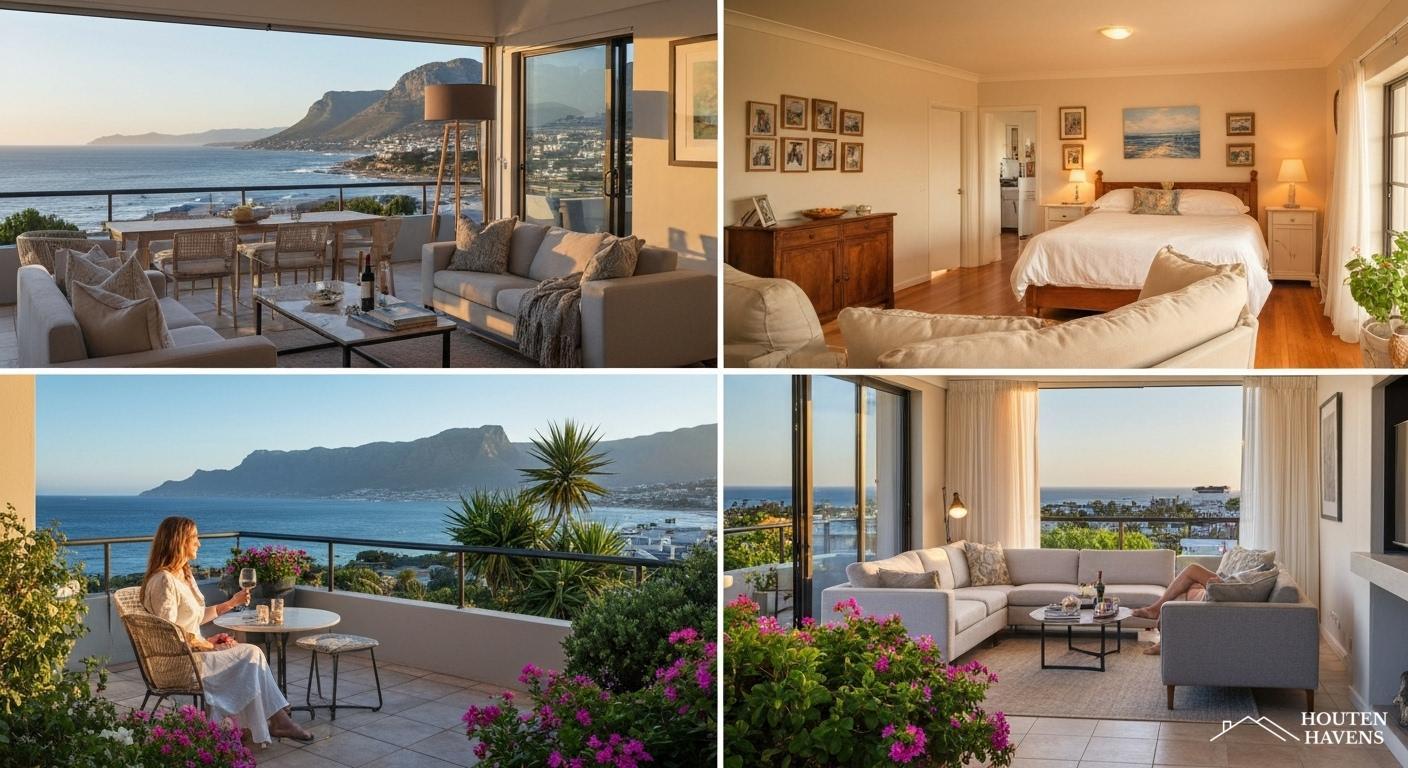
Cape Town's rental market is evolving rapidly in 2025, with property owners weighing the benefits of long term versus short term rentals. Both strategies offer unique advantages and challenges, influenced by market trends, tenant preferences, and regulatory changes. Deciding which approach suits your property best requires a clear understanding of these factors.
Between mid-2024 and mid-2025, Cape Town's short term rentals, including over 12,400 Airbnb listings, averaged about USD 20,500 annually per property with roughly 46% occupancy. Premium properties with ocean views and top amenities achieved nearly 90% occupancy and doubled nightly rates, emphasizing location and quality as critical success factors.
Key characteristics of short term rentals in Cape Town:
However, these benefits come with increased workload and costs related to frequent turnovers, cleaning, maintenance, and guest communication.
The long term rental sector remains robust, supported by high tenant reliability and steady demand. The Western Cape shows an annual rental escalation rate of 7.09%, surpassing other provinces. Average monthly rentals for sectional title properties hover around R10,786, while full title properties average R14,028.
Benefits of long term rentals include:
Long term rentals are particularly appealing in neighborhoods like the City Bowl, Sea Point, and Southern Suburbs, where demand for quality rental properties remains strong.
With the rise of remote work and flexible living, medium term rentals (six weeks to three months) are gaining traction. These offer property owners a balance between higher revenue potentials of short stays and the stability of long leases, appealing especially to digital nomads and professionals on temporary assignments.
Regardless of rental term, tenants increasingly prioritize properties with reliable power backup solutions, such as solar panels and inverters, due to South Africa’s ongoing electricity challenges. Security features, proximity to amenities, and well-maintained interiors remain critical for attracting quality tenants.
Cape Town is introducing more regulations on short term rentals, including registration requirements and potential caps on rental days. Many condominiums now require minimum stay periods to curb noise and guest turnover.
This regulatory environment is pushing many property owners to consider long and medium term leasing models that offer more predictable income and fewer compliance complexities.
Professional management companies like Houten Havens enable Cape Town property owners to capitalize on the best rental strategy for their unique property. With boutique, personalized service and unmatched local market expertise, Houten Havens helps optimize pricing, enhance guest experiences, and maximize returns whether you choose long term, short term, or a hybrid rental approach.
Choosing between long term and short term rentals in Cape Town hinges on your property's location, your income goals, and your appetite for involvement. While short term rentals offer high-revenue opportunities, they demand active management and are subject to market seasonality and regulatory shifts. Long term rentals deliver stability and ease but generally yield lower income.
Discover how Houten Havens can help you navigate these options and maximize your property’s potential with tailored management solutions that fit your investment style.
Explore what's possible when boutique service meets Cape Town market expertise.


