


Boutique AirBnB Management in Cape Town for property owners who want a hands-off and high-performing listing.

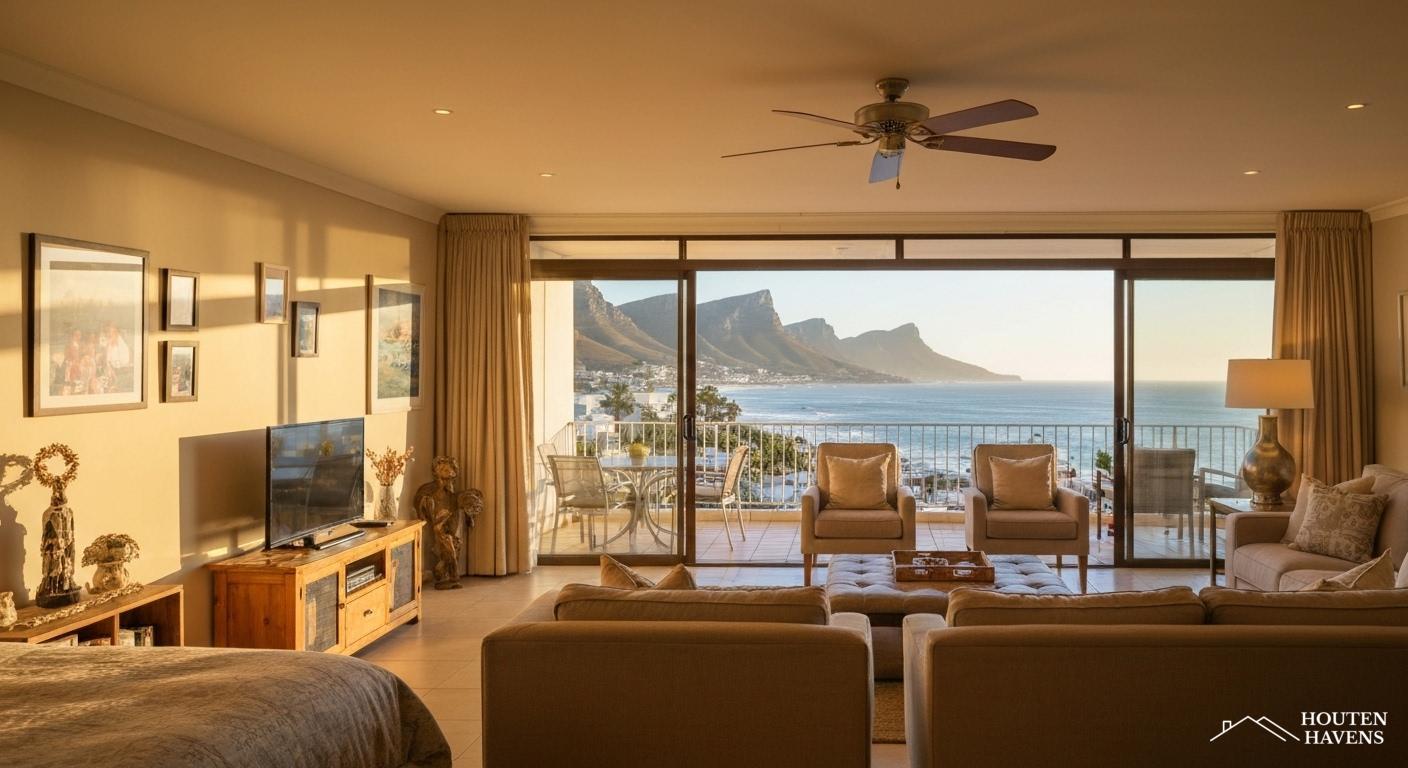
Cape Town’s rental market remains one of the strongest in South Africa, delivering attractive yields and robust demand for both long term and short term rentals. As a property owner, choosing between these two rental strategies is critical to maximizing your investment return while managing operational risks and market challenges.
This article unpacks the latest 2025 market insights, highlighting the differences between long term and short term rentals in Cape Town, and why professional management by boutique operators like Houten Havens can be your key to success.
Long term rentals represent a traditional, stable income stream for landlords in Cape Town. In the financial year ending February 2025, the Western Cape posted an average monthly rental price of approximately R11,454 — significantly higher than the national average of R9,218. Sections such as the Atlantic Seaboard and City Bowl consistently command premiums, with one-bedroom apartments renting between R12,000 and R18,000. Larger or luxury properties can exceed R25,000 monthly.
Key benefits of long term rentals:
While yields commonly range between 8% and 12% gross annual return depending on location and property type, the long term market’s resilience is supported by ongoing internal migration and lifestyle appeal.
Short term rentals, including Airbnb-style listings, have surged in Cape Town, particularly in hotspots such as Woodstock, Observatory, and the Atlantic Seaboard. Recently, around 12,400 STR listings brought in an average annual income of about USD 20,500 per property, with occupancy rates averaging 46%. Nightly rates can range from USD 191 on average to nearly USD 399 for premium listings during peak seasons.
Advantages of short term rentals:
However, the short term market is characterized by substantial seasonal fluctuations, with winter months like June seeing revenues dip considerably. Management is much more operationally intensive, requiring constant guest turnover handling, cleaning, dynamic pricing updates, and compliance with evolving city regulations.
Cape Town’s municipal authorities have introduced stricter regulations for short term rentals, including mandatory registration, rental day caps, and restrictions particularly within sectional title complexes. These policies aim to balance housing affordability and community interests, often limiting short term rental opportunities.
Long term rentals enjoy relatively stable regulatory support, with government incentives promoting Build-to-Rent developments and other long stay options as solutions to urban housing challenges.
Income Stability vs. Revenue Maximization
Management Intensity and Risk
Regulatory Environment
Professional management companies like Houten Havens enable property owners to optimize their rental income while minimizing headaches. With deep knowledge of Cape Town’s neighborhood dynamics, seasonal trends, and regulatory landscape, Houten Havens uniquely combines:
Whether you lean towards the long term or short term rental strategy, Houten Havens offers personalized solutions tailored to your property’s location, size, and your investment objectives.
In 2025, Cape Town landlords enjoy a vibrant rental market with profitable options in both long term and short term sectors. The choice depends largely on your risk appetite, desired income stability, and willingness to engage in active property management.
By partnering with trusted boutique management experts like Houten Havens, you can confidently navigate these complexities and unlock the full potential of your Cape Town investment property.
Discover how Houten Havens can help you maximize your property's potential and explore tailored strategies that match your goals in this dynamic rental market.


